






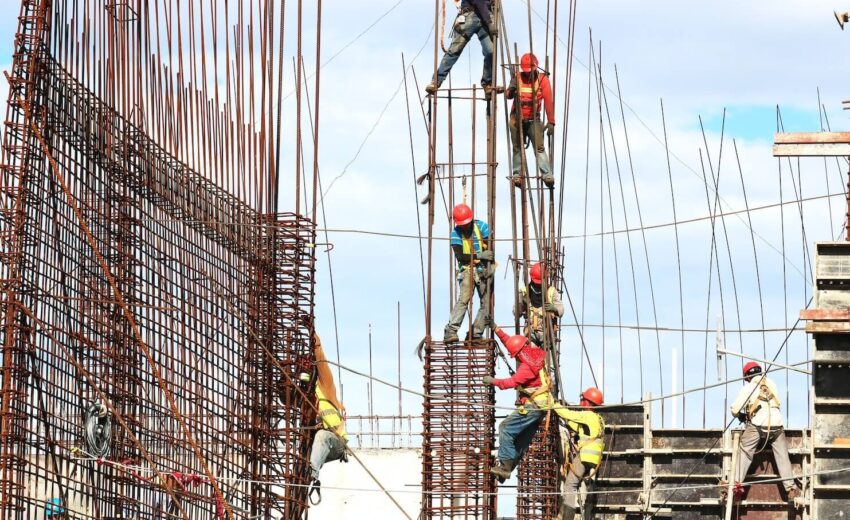
Successful construction projects don’t happen by accident. Whether you’re building a commercial facility, completing a civil infrastructure upgrade, or performing a complex crane and rigging operation, every successful project begins with careful planning and disciplined execution.
While no two projects are exactly alike, the most successful contractors consistently follow the same core principles.
1. Define the Scope Clearly
One of the leading causes of project delays and cost overruns is unclear scope.
Before work begins, ensure all stakeholders understand project objectives, deliverables, timelines, and responsibilities. Detailed drawings, specifications, budgets, and contracts help eliminate confusion and reduce the risk of unexpected changes later in the project.
A clear scope creates a strong foundation for every decision that follows.
2. Develop a Realistic Schedule
An aggressive schedule may look good on paper, but unrealistic timelines often create safety risks, quality issues, and unnecessary stress for crews.
Build a schedule that accounts for weather delays, equipment availability, material lead times, inspections, and potential site constraints. Identifying critical path activities early helps keep the project on track when challenges arise.
Remember: a realistic schedule is far more valuable than an optimistic one.
3. Prioritize Safety from Day One
Safety should never be treated as a separate task—it should be integrated into every phase of the project.
Conduct pre-job hazard assessments, establish clear communication procedures, verify worker training, and ensure equipment inspections are completed before work begins. Regular toolbox talks and site reviews help keep safety top of mind throughout the project lifecycle.
A strong safety culture protects workers, reduces downtime, and improves overall project performance.
4. Communicate Early and Often
Construction projects involve multiple stakeholders, including owners, engineers, subcontractors, suppliers, operators, and site supervisors.
Clear communication helps prevent misunderstandings, resolve issues quickly, and maintain alignment across the project team. Regular progress meetings and transparent reporting allow problems to be identified before they become costly delays.
Good communication is often the difference between a minor issue and a major setback.
5. Monitor Progress and Adjust When Necessary
Even the best plans require adjustments.
Successful project managers continuously track progress against schedules, budgets, and performance targets. When issues arise, they address them early rather than waiting for problems to compound.
Flexibility and proactive decision-making allow teams to maintain momentum despite changing site conditions or unforeseen challenges.
Execution Is Where Success Is Earned
Planning creates the roadmap, but execution determines the outcome.
The most successful construction projects combine thorough planning, strong leadership, effective communication, and an unwavering commitment to safety. When teams understand the objective, have the resources they need, and work together toward common goals, projects are more likely to be completed safely, on time, and within budget.
In construction, success isn’t about avoiding challenges—it’s about being prepared to manage them effectively when they arise.